A big batch of everyday verbs (love, read, live, watch, and more), how to talk about your family with "mój/moja" (my), telling your age, saying where you live, and describing your nationality and where you're from.
Everyday Verbs
These are infinitives — the "to ___" form. You've already seen how to conjugate verbs like this; here's a longer list of common ones to build your vocabulary.
❤️ kochać
KOH-khach
to love
📖 czytać
CHI-tach
to read
🏠 mieszkać
MYESH-kach
to live (reside)
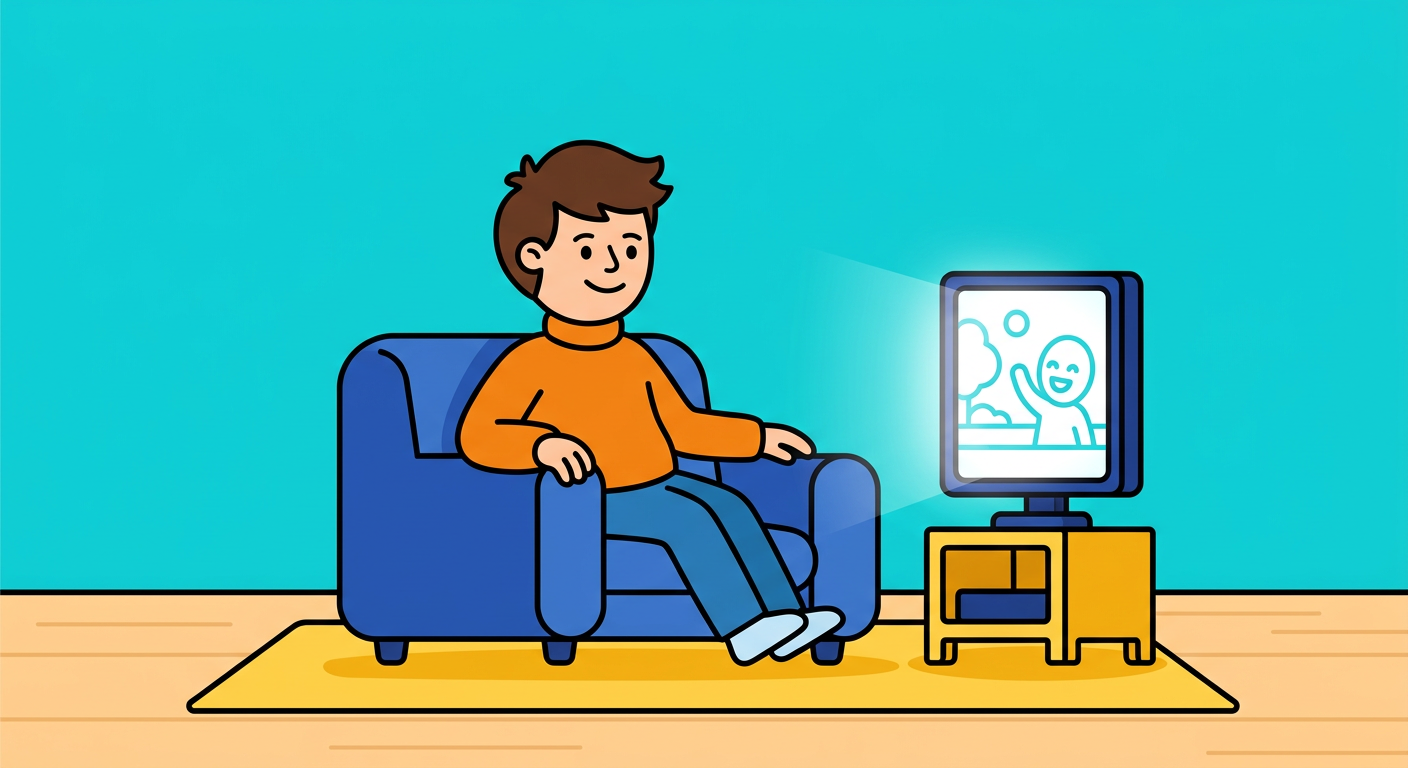
📺 oglądać
oh-GLOHN-dach
to watch
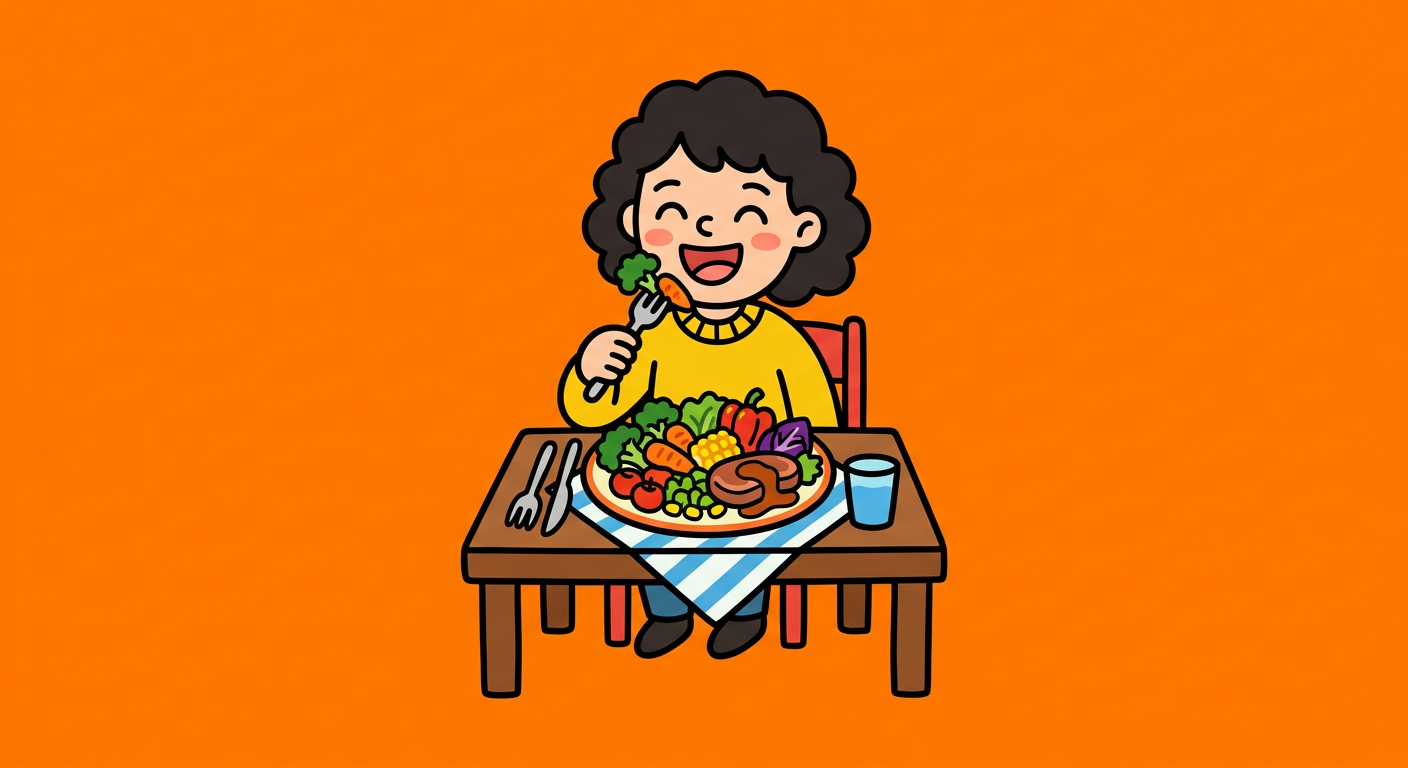
🍽️ jeść
yeshch
to eat
🥤 pić
peech
to drink
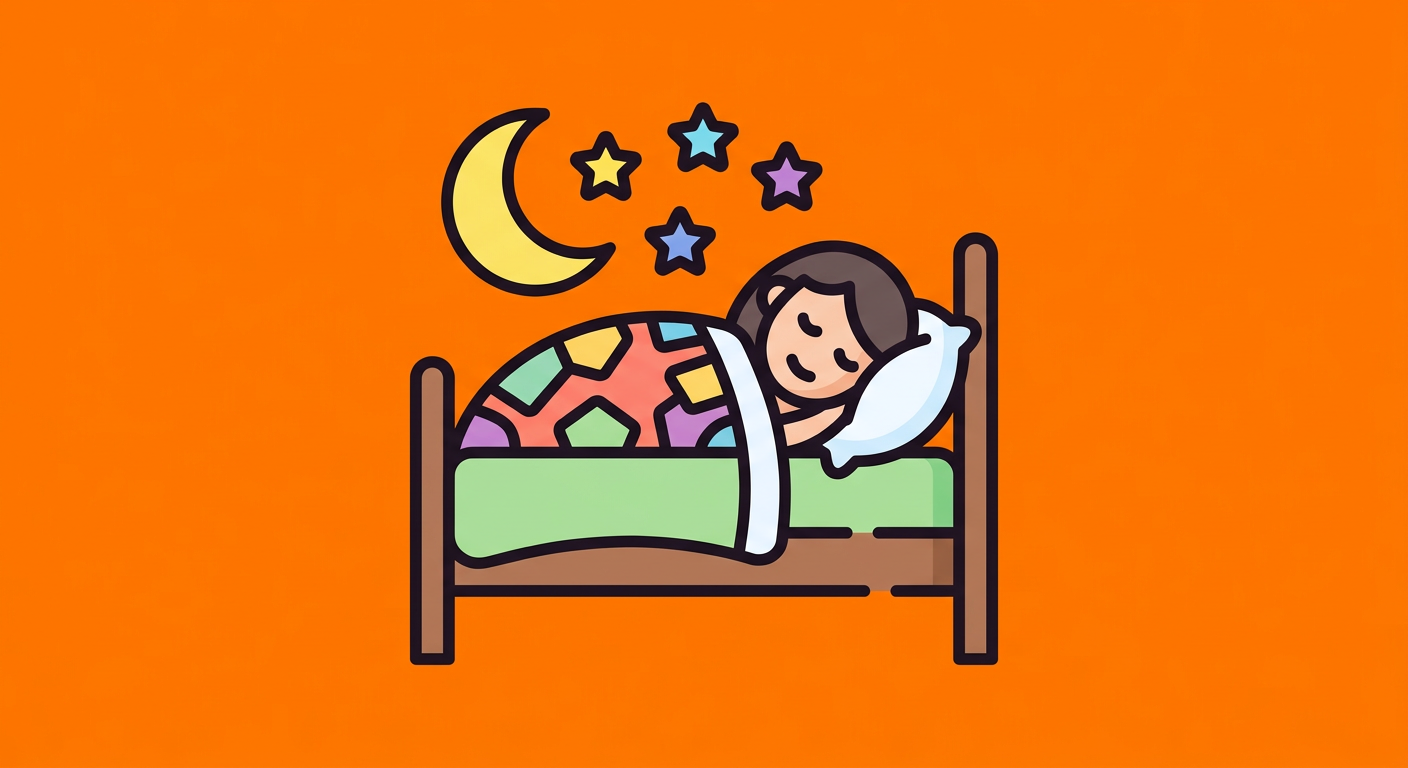
😴 spać
spahch
to sleep
💼 pracować
prah-TSOH-vach
to work
🗣️ mówić
MOO-veech
to speak
💡 rozumieć
roh-ZOO-myech
to understand
👀 widzieć
VEE-dzhech
to see
👂 słyszeć
SWI-shech
to hear
🔨 robić
ROH-beech
to do
🚶 iść
eeshch
to go (on foot)
🚗 jechać
YEH-khach
to go / drive (vehicle)
🖼️ Picture Cards — Tap to Hear, Look to Remember
A picture tied to the sound and word helps it stick. Tap any card to hear the verb spoken aloud.
❤️ kochać
KOH-khach
to love
📖 czytać
CHI-tach
to read
🏠 mieszkać
MYESH-kach
to live (reside)
📺 oglądać
oh-GLOHN-dach
to watch
🍽️ jeść
yeshch
to eat
🥤 pić
peech
to drink
😴 spać
spahch
to sleep
💼 pracować
prah-TSOH-vach
to work
🗣️ mówić
MOO-veech
to speak
💡 rozumieć
roh-ZOO-myech
to understand
👀 widzieć
VEE-dzhech
to see
👂 słyszeć
SWI-shech
to hear
🔨 robić
ROH-beech
to do
🚶 iść
eeshch
to go (on foot)
🚗 jechać
YEH-khach
to go / drive (vehicle)
🌈 Word Clouds — Every Verb
Each verb with a couple of natural example phrases showing how it's actually used. Tap any word to hear it.
📖 to read
Word Cloud 1.0
czytaćCHI-tach · to readczytamCHI-tahmczytaszCHI-tahshczytaCHI-tahczytamychi-TAH-miczytaciechi-TAH-chehczytająchi-TAH-yohm · they readCzytam książkę.CHI-tahm KSHYONZH-keh. · I am reading a book.Co czytasz?tsoh CHI-tahsh?
Word Cloud 2.0 — Packed Layout
📺 to watch
Word Cloud 1.0
oglądaćoh-GLOHN-dach · to watchoglądamoh-GLOHN-dahm · I watchoglądaszoh-GLOHN-dahsh · you watchoglądaoh-GLOHN-dah · he/she watchesoglądamyoh-glohn-DAH-mi · we watchoglądacieoh-glohn-DAH-cheh · you all watchoglądająoh-glohn-DAH-yohm · they watchOglądam telewizję.oh-GLOHN-dahm teh-leh-VEEZ-yeh. · I am watching television.Co oglądasz?tsoh oh-GLOHN-dahsh? · What are you watching?
Word Cloud 2.0 — Packed Layout
🍽️ to eat
Word Cloud 1.0
jeśćyeshch · to eatjemyem · I eatjeszyeshjeyeh · he/she eatsjemyYEH-mijecieYEH-chehjedząYEH-dzohm · they eatJem śniadanie.yem shnyah-DAH-nyeh. · I am eating breakfast.Co jesz?tsoh yesh?
Word Cloud 2.0 — Packed Layout
🥤 to drink
Word Cloud 1.0
pićpeech · to drinkpijęPEE-yeh · I drinkpijeszPEE-yeshpijePEE-yehpijemypee-YEH-mipijeciepee-YEH-chehpijąPEE-yohm · they drinkPiję wodę.PEE-yeh VOH-deh. · I am drinking water.Co pijesz?tsoh PEE-yesh?
Word Cloud 2.0 — Packed Layout
😴 to sleep
Word Cloud 1.0
spaćspahch · to sleepśpięSHPYEH · I am sleepingśpiszSHPEESH · you are sleepingśpiSHPEE · he/she is sleepingśpimySHPEE-mi · we are sleepingśpicieSHPEE-cheh · you all are sleepingśpiąSHPYOHM · they are sleepingIdę spać.EE-deh spahch. · I am going to sleep.Czy śpisz?chi shpeesh? · Are you asleep?
Word Cloud 2.0 — Packed Layout
💼 to work
Word Cloud 1.0
pracowaćprah-TSOH-vach · to workpracujęprah-TSOO-yeh · I workpracujeszprah-TSOO-yeshpracujeprah-TSOO-yehpracujemyprah-tsoo-YEH-mipracujecieprah-tsoo-YEH-chehpracująprah-TSOO-yohm · they workPracuję dużo.prah-TSOO-yeh DOO-zhoh. · I work a lot.Gdzie pracujesz?gdzheh prah-TSOO-yesh?
Word Cloud 2.0 — Packed Layout
🗣️ to speak
Word Cloud 1.0
mówićMOO-veech · to speakmówięMOO-vyeh · I speakmówiszMOO-veesh · you speakmówiMOO-vee · he/she saysmówimymoo-VEE-mi · we speakmówiciemoo-VEE-cheh · you all speakmówiąMOO-vyohm · they speakMówię po polsku.MOO-vyeh poh POL-skoo. · I speak Polish.Co mówisz?tsoh MOO-veesh? · What are you saying?
Word Cloud 2.0 — Packed Layout
💡 to understand
Word Cloud 1.0
rozumiećroh-ZOO-myech · to understandrozumiemroh-ZOO-myemrozumieszroh-ZOO-myeshrozumieroh-ZOO-myehrozumiemyroh-zoo-MYEH-mirozumiecieroh-zoo-MYEH-chehrozumiejąroh-zoo-MYEH-yohm · they understandRozumiem.roh-ZOO-myem.Czy rozumiesz?chi roh-ZOO-myesh?
Word Cloud 2.0 — Packed Layout
👀 to see
Word Cloud 1.0
widziećVEE-dzhech · to seewidzęVEE-dzeh · I seewidziszVEE-dzeeshwidziVEE-dzeewidzimyvee-DZEE-miwidzicievee-DZEE-chehwidząVEE-dzohm · they seeWidzę cię.VEE-dzeh chen. · I see you.Co widzisz?tsoh VEE-dzeesh?
Word Cloud 2.0 — Packed Layout
👂 to hear
Word Cloud 1.0
słyszećSWI-shech · to hearsłyszęSWI-sheh · I hearsłyszyszswi-SHISH · you hearsłyszySWI-shi · he/she hearssłyszymyswi-SHI-mi · we hearsłyszycieswi-SHI-cheh · you all hearsłysząSWI-shohm · they hearSłyszę muzykę.SWI-sheh MOO-zi-keh. · I hear music.Czy mnie słyszysz?chi mnyeh swi-SHISH? · Can you hear me?
Word Cloud 2.0 — Packed Layout
🔨 to do
Word Cloud 1.0
robićROH-beech · to dorobięROH-byeh · I dorobiszROH-beeshrobiROH-beerobimyroh-BEE-mirobicieroh-BEE-chehrobiąROH-byohm · they doCo robisz?tsoh ROH-beesh?Robię obiad.ROH-byeh OH-byaht. · I am making dinner.
Word Cloud 2.0 — Packed Layout
🚶 to go (on foot)
Word Cloud 1.0
iśćeeshch · to go (on foot)idęEE-deh · I am going (on foot)idzieszEE-dzheshidzieEE-dzhehidziemyee-DZHEH-miidziecieee-DZHEH-chehidąEE-dohm · they are going (on foot)Idę do domu.EE-deh doh DOH-moo. · I am going home.Dokąd idziesz?DOH-kohnd EE-dzhesh? · Where are you going (on foot)?
Word Cloud 2.0 — Packed Layout
🚗 to go / drive (vehicle)
Word Cloud 1.0
jechaćYEH-khach · to go (by vehicle)jadęYAH-deh · I am going (by vehicle)jedzieszYEH-dzheshjedzieYEH-dzhehjedziemyyeh-DZHEH-mijedziecieyeh-DZHEH-chehjadąYAH-dohm · they are going (by vehicle)Jadę do pracy.YAH-deh doh PRAH-tsi. · I am going to work (by vehicle).Dokąd jedziesz?DOH-kohnd YEH-dzhesh? · Where are you going (by vehicle)?
Word Cloud 2.0 — Packed Layout
Featured Verb: Kochać (To Love)
Kochać follows the regular -am/-asz present-tense pattern — once you know this, most -ać verbs conjugate the same way.
Pronoun
Kochać (To Love)
Ja (yah)II
kocham(KOH-khahm)I love
Ty (ti)you (singular)
kochasz(KOH-khahsh)You love
On (ohn)he
kocha(KOH-khah)He loves
Ona (OH-nah)she
kocha(KOH-khah)She loves
My (mi)we
kochamy(koh-KHAH-mi)We love
Wy (vi)you (plural)
kochacie(koh-KHAH-cheh)You all love
Oni (OH-nee)they (masculine personal)
kochają(koh-KHAH-yohm)they love
One (OH-neh)they (non-masculine)
kochają(koh-KHAH-yohm)they love
🌈 Word Cloud — Tap Any Word to Hear It
The infinitive, every conjugated form, and a few real questions/phrases that use it — all in one glance.
Word Cloud 1.0
kochaćKOH-khach · to lovekochamKOH-khahmkochaszKOH-khahshkochaKOH-khahkochamykoh-KHAH-mikochaciekoh-KHAH-chehkochająkoh-KHAH-yohm · they loveKocham cię.KOH-khahm chen. · I love you.Czy mnie kochasz?chi mnyeh KOH-khahsh?Kogo kochasz?KOH-goh KOH-khahsh?
Word Cloud 2.0 — Packed Layout
Second Regular Verb: Mieszkać (To Live)
Same -am/-asz pattern as kochać — once you can conjugate one, you can conjugate them both. This is also the verb you need for the "Where I Live" section below. Note the "Ono" (it) row: for present-tense verbs, ono conjugates exactly like on/ona — no new ending to learn.
Pronoun
Mieszkać (To Live)
Ja (yah)II
mieszkam(MYESH-kahm)I live
Ty (ti)you (singular)
mieszkasz(MYESH-kahsh)You live
On (ohn)he
mieszka(MYESH-kah)He lives
Ona (OH-nah)she
mieszka(MYESH-kah)She lives
Ono (OH-noh)It
mieszka(MYESH-kah)It lives
My (mi)we
mieszkamy(myesh-KAH-mi)We live
Wy (vi)you (plural)
mieszkacie(myesh-KAH-cheh)You all live
Oni (OH-nee)they (masculine personal)
mieszkają(myesh-KAH-yohm)they live
One (OH-neh)they (non-masculine)
mieszkają(myesh-KAH-yohm)they live
🌈 Word Cloud — Tap Any Word to Hear It
The infinitive, every conjugated form, and a few real questions/phrases that use it — all in one glance.
Word Cloud 1.0
mieszkaćMYESH-kach · to live (reside)mieszkamMYESH-kahmmieszkaszMYESH-kahshmieszkaMYESH-kahmieszkamymyesh-KAH-mimieszkaciemyesh-KAH-chehmieszkająmyesh-KAH-yohm · they liveCzy tu mieszkasz?chi too MYESH-kahsh?Mieszkamy razem.myesh-KAH-mi RAH-zem.
Word Cloud 2.0 — Packed Layout
Third Featured Verb: Dać (To Give) — Irregular
Dać doesn't follow the -am/-asz pattern — it's a perfective verb (a one-time completed action), which is why its present-tense-looking forms actually carry future meaning ("I will give," not "I give"). Notice the distinctive "dadzą" ending for "they" — a small irregular group of verbs share this pattern.
Pronoun
Dać (To Give — irregular)
Ja (yah)II
dam(dahm) I will give you a present.
Ty (ti)you (singular)
dasz(dahsh)You will give ▶ Ty dasz mi klucz. — You will give me the key.
On (ohn)he
da(dah) ▶ On da nam odpowiedź. — He will give us an answer.He will give us an answer.
Ona (OH-nah)she
da(dah)She will give ▶ Ona da nam odpowiedź. — She will give us an answer.
Ono (OH-noh)It
da(dah)It will give ▶ Ono da nam odpowiedź. — It will give us an answer.
My (mi)we
damy(DAH-mi)We will give ▶ My damy ci pieniądze. — We will give you money.
Wy (vi)you (plural)
dacie(DAH-cheh)You all will give ▶ Wy dacie nam znać. — You all will let us know.
Oni (OH-nee)they (masculine personal)
dadzą(DAH-dzohm) ▶ Oni dadzą nam czas. — They will give us time.They will give us time.
One (OH-neh)they (non-masculine)
dadzą(DAH-dzohm) ▶ One dadzą nam czas. — They will give us time.They will give us time.
🌈 Word Cloud — Tap Any Word to Hear It
Word Cloud 1.0
daćdahch · to give (perfective)damdahm · I will give you a present.daszdahshdadah · He will give us an answer.damyDAH-midacieDAH-chehdadząDAH-dzohm · They will give us time.Daj mi to.digh mee toh.Co mi dasz?tsoh mee dahsh?Damy ci pieniądze.DAH-mi chee pyeh-NYOHN-dzeh. · We will give you money.
Word Cloud 2.0 — Packed Layout
Fourth Featured Verb: Być (To Be) — Reinforcement
You already fully learned być in Lesson 1 (jestem, jesteś, jest...) — here it is again with fresh example phrases, since it's the single most important verb in Polish and worth reinforcing every chance you get.
Pronoun
Być (To Be)
Ja (yah)II
jestem(YES-tem)I am
Ty (ti)you (singular)
jesteś(YES-tesh)you are
On (ohn)he
jest(yest)He is
Ona (OH-nah)she
jest(yest)She is
Ono (OH-noh)It
jest(yest)It is
My (mi)we
jesteśmy(yes-TESH-mi)we are
Wy (vi)you (plural)
jesteście(yes-TESH-cheh)you all are
Oni (OH-nee)they (masculine personal)
są(sohm)they are
One (OH-neh)they (non-masculine)
są(sohm)they are
🌈 Word Cloud — Tap Any Word to Hear It
Word Cloud 1.0
byćbich · to bejestemYES-temjesteśYES-tesh · you arejestyestjesteśmyyes-TESH-mi · we arejesteścieyes-TESH-cheh · you all aresąsohm · they areJestem gotowy.YES-tem goh-TOH-vi.Czy jesteś głodny?chi YES-tesh GWOHD-ni? · Are you hungry?On jest wysoki.ohn yest vi-SOH-kee.
Word Cloud 2.0 — Packed Layout
Possession: My Family
"Mój" (masculine), "moja" (feminine), and "moje" (neuter) all mean "my" — which one you use depends on the gender of the noun you're describing, not the gender of the speaker. Mąż (husband), syn (son), and tata (dad) are masculine, so they take "mój." Żona (wife), córka (daughter), and mama (mom) are feminine, so they take "moja." Dziecko (child) is neuter, so it takes "moje" — and neuter nouns are exactly where the third pronoun, "ono" (it), comes in.
🤵 mój mąż
mooy mohnzh
my husband
👰 moja żona
MOH-yah ZHOH-nah
my wife
👦 mój syn
mooy sin
my son
👧 moja córka
MOH-yah TSOOR-kah
my daughter
🧒 moje dziecko
MOH-yeh DZHETS-koh
my child (neuter noun)
👨👩👧👦 moje dzieci
MOH-yeh DZHEH-chee
my children (plural, neuter)
👩 moja mama
MOH-yah MAH-mah
my mom
👨 mój tata
mooy TAH-tah
my dad
👪 moi rodzice
MOH-ee roh-DZHEE-tseh
my parents
👦 mój brat
mooy braht
my brother
👧 moja siostra
MOH-yah SHYOH-strah
my sister
The Third Pronoun: Ono
Polish has three third-person singular pronouns, not two: on (he), ona (she), and ono (it) — used for neuter-gender nouns like dziecko.
🔹 ono
OH-noh
it (neuter — used for neuter-gender nouns like dziecko)
More Neuter Nouns (all take "ono" / "moje")
Neuter nouns typically end in -o, -e, or -ę.
🪟 okno
OHK-noh
window (neuter)
🛏️ łóżko
WOOSH-koh
bed (neuter)
🪑 krzesło
KSHES-woh
chair (neuter)
🥛 mleko
MLEH-koh
milk (neuter)
☀️ słońce
SWOHN-tseh
sun (neuter)
🏢 mieszkanie
myesh-KAH-nyeh
apartment (neuter)
🐾 zwierzę
ZVYEH-zheh
animal (neuter)
📛 imię
EE-myeh
name (neuter)
Numbers 1–20
You'll need these for the age section next, and for everyday counting.
1️⃣ jeden
YEH-den
one (1)
2️⃣ dwa
dvah
two (2)
3️⃣ trzy
tshi
three (3)
4️⃣ cztery
CHTEH-ri
four (4)
5️⃣ pięć
pyench
five (5)
6️⃣ sześć
sheshch
six (6)
7️⃣ siedem
SHEH-dem
seven (7)
8️⃣ osiem
OH-shem
eight (8)
9️⃣ dziewięć
DZHEH-vyench
nine (9)
🔟 dziesięć
DZHEH-shench
ten (10)
🔢 jedenaście
yeh-deh-NAHSH-cheh
eleven (11)
🔢 dwanaście
dvah-NAHSH-cheh
twelve (12)
🔢 trzynaście
tshi-NAHSH-cheh
thirteen (13)
🔢 czternaście
chter-NAHSH-cheh
fourteen (14)
🔢 piętnaście
pyent-NAHSH-cheh
fifteen (15)
🔢 szesnaście
shes-NAHSH-cheh
sixteen (16)
🔢 siedemnaście
shyeh-dem-NAHSH-cheh
seventeen (17)
🔢 osiemnaście
oh-shem-NAHSH-cheh
eighteen (18)
🔢 dziewiętnaście
dzheh-vyent-NAHSH-cheh
nineteen (19)
🔢 dwadzieścia
dvah-DZHESH-chah
twenty (20)
🔢 dwadzieścia jeden
dvah-DZHESH-chah YEH-den
twenty-one (21)
🔢 dwadzieścia dwa
dvah-DZHESH-chah dvah
twenty-two (22)
🔢 dwadzieścia trzy
dvah-DZHESH-chah tshi
twenty-three (23)
🔢 dwadzieścia cztery
dvah-DZHESH-chah CHTEH-ri
twenty-four (24)
🔢 dwadzieścia pięć
dvah-DZHESH-chah pyench
twenty-five (25)
🔢 dwadzieścia sześć
dvah-DZHESH-chah sheshch
twenty-six (26)
🔢 dwadzieścia siedem
dvah-DZHESH-chah SHEH-dem
twenty-seven (27)
🔢 dwadzieścia osiem
dvah-DZHESH-chah OH-shem
twenty-eight (28)
🔢 dwadzieścia dziewięć
dvah-DZHESH-chah DZHEH-vyench
twenty-nine (29)
🔢 trzydzieści
tshi-DZHESH-chee
thirty (30)
🔢 trzydzieści jeden
tshi-DZHESH-chee YEH-den
thirty-one (31)
🔢 trzydzieści dwa
tshi-DZHESH-chee dvah
thirty-two (32)
🔢 trzydzieści trzy
tshi-DZHESH-chee tshi
thirty-three (33)
🔢 trzydzieści cztery
tshi-DZHESH-chee CHTEH-ri
thirty-four (34)
🔢 trzydzieści pięć
tshi-DZHESH-chee pyench
thirty-five (35)
🔢 trzydzieści sześć
tshi-DZHESH-chee sheshch
thirty-six (36)
🔢 trzydzieści siedem
tshi-DZHESH-chee SHEH-dem
thirty-seven (37)
🔢 trzydzieści osiem
tshi-DZHESH-chee OH-shem
thirty-eight (38)
🔢 trzydzieści dziewięć
tshi-DZHESH-chee DZHEH-vyench
thirty-nine (39)
🔢 czterdzieści
chter-DZHESH-chee
forty (40)
Age & Numbers
Polish says age as "I have ___ years" (Mam ___ lat/lata) rather than "I am ___ years old." The ending on "year" changes with the number — "lata" after numbers ending in 2, 3, or 4 (like trzydzieści trzy → lata, dwa → lata), and "lat" after most other numbers.
🎂 Ile masz lat?
EE-leh mahsh laht?
How old are you?
🎂 Mam trzydzieści trzy lata.
mahm tzhi-DZHESH-chee tshi LAH-tah.
I am 33 years old.
🍼 Mój syn ma prawie dwa lata.
mooy sin mah PRAH-vyeh dvah LAH-tah.
My son is almost 2 years old.
Where I Live
"W" (in) triggers the locative case, which changes the ending of the place name — Polska (Poland) becomes Polsce, and Rzeszów becomes Rzeszowie. "Gdzie" (where) is the question word that asks for this.
❓ Gdzie mieszkasz?
gdzheh MYESH-kahsh?
Where do you live?
🇵🇱 Mieszkam w Polsce.
MYESH-kahm f POL-tseh.
I live in Poland.
📍 Mieszkam w Rzeszowie.
MYESH-kahm v zheh-SHOH-vyeh.
I live in Rzeszów.
Nationality & Origin
Nationality nouns have separate masculine and feminine forms — Amerykanin/Amerykanka, Polak/Polka. "Jestem" (I am) + nationality noun uses the instrumental case (-em/-ą ending); "jestem z" (I am from) + country uses the genitive case. "Skąd" (from where) is the question word that asks for this.
The "mój/moja" gender-agreement pattern shows up everywhere in Polish — adjectives, possessives, numbers all change their ending to match the noun they describe, not the speaker. When you learn a new possessive or descriptive word, always learn it paired with a masculine AND a feminine noun (like "mój syn" / "moja żona") so the pattern sticks.